Trix Rosen Photography | Fine Art, Portraits & Historic Prints

Grab special offer 25% Off! Use WEB25 Grab special offer 25% Off! Use WEB25 Grab special offer 25% Off! Use WEB25 Grab special offer 25% Off! Use WEB25

New Jersey Historic Houses

Celebrating January 2014 & Art Connections 10 Exhibition!

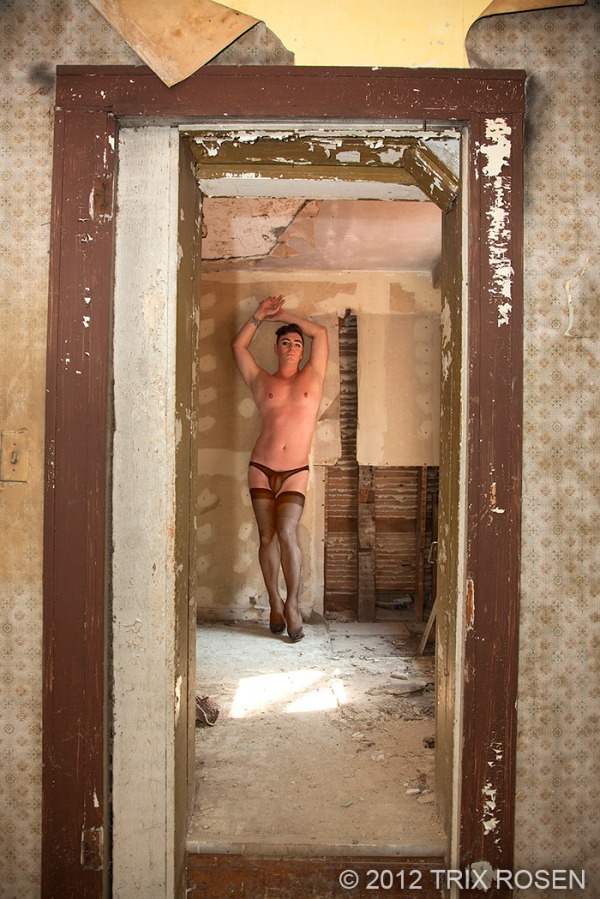
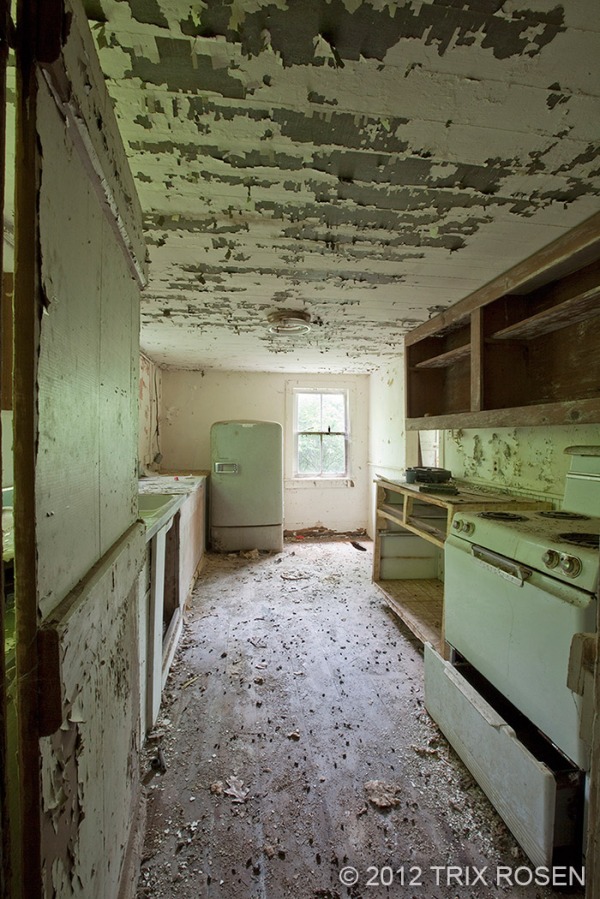
Opening Reception: Sunday, January 26, 2014, 2:00-5:00 pmMontclair State University – George Segal Gallery, Montclair NJ 07043 I can thank my parents for January being the month of my birth and Curator Marilyn Symmes for choosing two of my images, Peeling Back the Layers and Endangered Oakley Stoll House, to be in  ‘ART Connections 10’ at the George Segal Gallery, Montclair State University in NJ. This marks the first exhibition that represents my gender in fine art photography along with my architectural series of endangered houses. Both images record historical moments, measured not as isolated fragments of time, but as tangible and intangible exposures, revealing the narrative arc of my subject’s life/capturing past, recording present, and projecting into the future. Peeling Back the Layers. Montague NJ, 2012, 27H x 18W inches,Framed 31H x 23W inches,  Fine Art Digital Inkjet Paper with Archival Pigmented Inks Endangered Oakley Stoll House. Walpack Twp. NJ, 2012, 27H x 18W inches,Framed 31H x 23W inches,  Fine Art Digital Inkjet Paper with Archival Pigmented Inks For Peeling Back the Layers, gender performance artist Fred Koenig, clad only in panties, stockings, and high heels, is framed by the antique peeling wallpaper and decaying wood molding of the historic Hornbeck/Roberts House in Montague, NJ. Owned by the National Park Service, this eighteenth-century farmhouse,e along with the Endangered Oakley Stoll House, is located within the Delaware Water Gap National Recreation Area and listed on the National Register of Historic Places. These historically important houses are now sadly vandalized and trashed. Whether I shoot a portrait or an endangered architectural site, what haunts me is finding the essence of the visible and invisible timeline. I look for the quintessential moment that can be revealed in the stillness of a decaying wall or in the expression of gender duality. Perhaps both Fred’s openly exposed gesture and these two endangered houses lay bare a beautiful and similar vulnerability. ART Connections 10Montclair State University – George Segal Gallery1 Normal Avenue, Montclair, NJ 07043Gallery Hours: T, W, F, Sat 10:00 – 5:00 pm & Thurs 12:30 – 7:30 pmOpening Reception: Sunday, January 26, 2014, 2:00-500 pmExhibition Dates: January 26- February 22, 2014
Celebrating January 2014 & Art Connections 10 Exhibition! Read More »

TREASURED: Honoring Precious and Vanishing Worlds

(To view in the browser, click here) TREASURED: HONORING PRECIOUS AND VANISHING WORLDS is an exhibition at the Annmarie Sculpture Garden and Arts Center in Solomons, MD, that features three prints from my fine art portfolios: Bet Hayyim (House of the Living) and Endangered Historic Houses.The art exhibit opens on June 15 and continues to August 26, 2012. Title: Hands of the Kohan.  Medzhybizh, Ukraine, 2008, Edition: 3/1012 x 18 inches, Fine Art Paper with Archival Pigmented Inks Title: Kohans, Levites and the Star of David.  Chernivtsi, Ukraine, 2008, Edition:3/1012 x 18 inches,  Fine Art Paper with Archival Pigmented Inks In 2008, I crisscrossed the heartland of the Ukraine to photograph historic Jewish cemeteries and hand-carved tombstones in cities, towns and shtetls. Every site had a story to tell and each stone was an artistic treasure filled with iconographic beauty and mystery. The headstones of the Kohanim, descendants of the Biblical priests, had hands joined in a gesture of blessing. The pitcher pouring water represented the tribe of Levites, the assistants to the priests. Some epitaphs were intricately carved, the stones decorated in an elaborate Jewish script covering the entire surface; others held only the most minimal outline of the Star of David. Other friezes depicted symbols of lineage and gender. These gravestones, some dating from the 1400s, depict a visual history of the once vast community of Eastern European Jews and serve as reminders of the people who lived in this place and died. Title: Shattered Spaces. 2012Edition: 3/1012 x 18 inches, Fine Art Paper with Archival Pigmented Inks Less than two years ago the Shoemaker-Houck Farm was in excellent condition, one of the premier structures located within the New Jersey Delaware Water Gap National Recreation Area that is owned by the National Park Service. The front portion of the house was built in 1822, while the rear portion was built in the eighteenth century. This National Register Site has no protection and has now become vandalized. The back door is wide open, and the window glass is missing, sadly revealing the ruins of neglect. These scarred elements are key to understanding the rural development of northwestern New Jersey and the significant role that area played in American history. I am drawn to the timeless nature of historic architecture because it is a repository of collective memories – a record of our heritage, the builders and the people who once inhabited these spaces. There is an urgency about what I photograph because each derelict site is a reminder of our inadequacy as cultural stewards. I look to the architectural details, to the deeply etched memories in the stones, the walls and the structures as a window to remembering our past.

TREASURED: Honoring Precious and Vanishing Worlds Read More »

Endangered Historic Houses – Delaware Water Gap National Recreation Area, New Jersey

My friend, Robert Williams, the Verona, NJ town historian, took me on a tour of these National Park Service houses, located within the Delaware Water Gap National Recreation Area. Built between the 18th and 19th centuries, many of these sites are listed on the National Register of Historic Places and were in live-in condition a couple of years ago when the Park took ownership. We saw doors wide open or missing, window glass smashed, and some of these historically important houses sadly vandalized and trashed. “The Shoemaker-Houck Farm was one of the premier structures in the Park,” Bob told me. “The front portion of the house was built in 1822 while the rear portion was built in the eighteenth century. Look what has happened to this house in only one year!” We saw that the back door was wide open. “This is a National Register Building that was in excellent condition. How could this have happened?” Bob asked sadly. Bob explains the history of each house we visit and recounts how the Smith-Lennington House had been in the same family since it was built. “The Smiths built the initial house in 1820 and then remodeled and added to it in 1902. When the Park Service took title of this a few years ago, it was completely intact and in live-in condition. Shortly after their stewardship began, someone took the columns off the porch, and it was down-hill from there.”

Endangered Historic Houses – Delaware Water Gap National Recreation Area, New Jersey Read More »

Scroll to Top