architecture

SEPTEMBER 2017 EXHIBITIONS

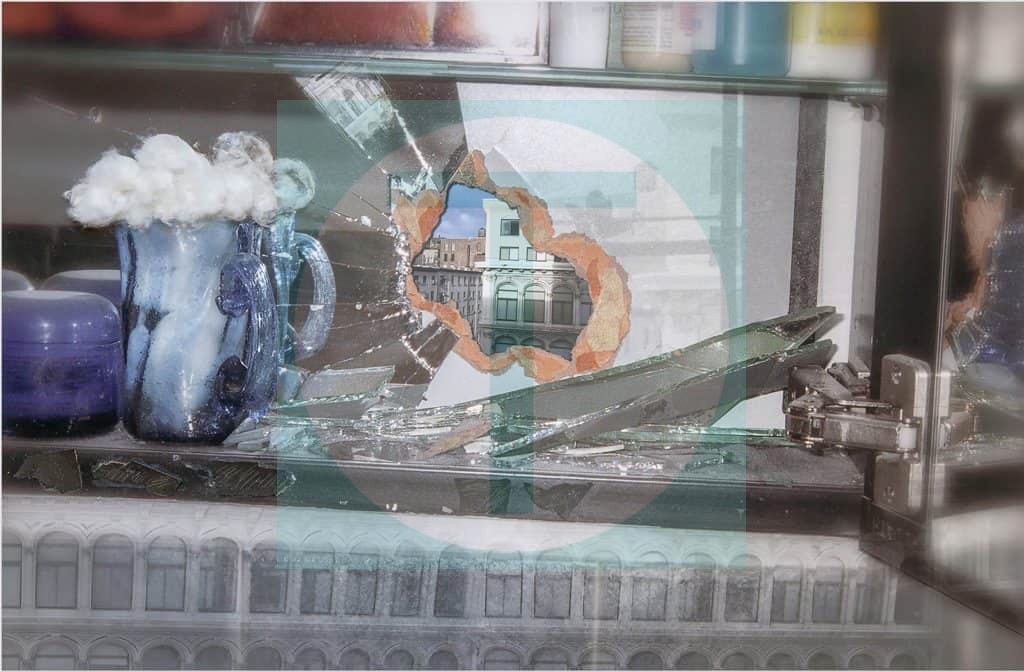
I’ve been so fortunate to be asked to add my work to these two exhibitions opening in early September. Please join me at the artist reception for: HOME(less) Where | Hebrew Union College Museum -HUC College of ReligionOne West Fourth St, New York City (Get Directions)Sept 7th 5:30 -7:30 pm    “Walking on Broken Glass,” (2016) is a collaged documentary image that depicts one destructive event during years of terrorism by my landlord before I was gentrified out of my loft in NYC. Homes can often be a place of terrible pain and violence. “Trix Rosen’s ‘WALKING ON BROKEN GLASS’ conveys the violence that attempted to evict her from her house.”-Laura Kruger, curator  My historic and endangered architectural site work will be featured in: Camera’s Vision: Archaeology | Architecture |Landscape Where | Fine Arts Gallery, Saint Peter’s University47 Glenwood Ave, 5th Floor, Jersey City, NJ (Get Directions) Please join the artists at the opening of the exhibition onFriday, September 8, 5-7 pm

SEPTEMBER 2017 EXHIBITIONS Read More »

Breaking Through Tradition

“Photographer Trix Rosen’s work about gender ambiguity empowers the viewer to question conventional definitions of beauty and remind us it is more important to define our own personal beauty rather than being defined by others.”Maureen Harrison and Alexsandra Simakowicz, Curators, BREAKING THROUGH TRADITION BREAKING THROUGH TRADITIONApril 3 – May 3, 2014Opening Reception: April 3, 2014, 7 pm-9 pmPierro Gallery, Baird Center, 5 Mead Street, South Orange, NJ 07079 Please join me at the Pierro Gallery in South Orange, NJ, for BREAKING THROUGH TRADITION, a group show celebrating the American cultural transition towards inclusivity. My HE-SHE portfolio presents an ongoing series of portraits documenting my seventeen-year collaboration with French artist Fred Koenig, who unselfconsciously dares the viewer to cross over boundaries of imagination and desires. Observe him in ‘The Sea Change’ and be confronted by a fearless man who is empowered and transformed by the ambiguity of his sexuality. ‘Ravaged’ presents Fred within the decaying landscape of a New Jersey historic farmhouse. Perhaps this intimate pose and an abandoned structure lay bare a similar beauty and vulnerability. Fred and I collaborate not just in our art but in our political activism. Talking about his HIV/AIDS status, Fred told me that it is part of what he shows me by exposing his soul to my camera. ‘Changed Landscapes’ also reveals a figure who has dared me to look deeper because she wasn’t afraid.  Here is a woman who bravely explores the physical and emotional contours of her new form after a double mastectomy. This portrait can be viewed as a narrative about her life and as a defining moment of transfiguring change. Bald, breast-less, and scarred, she is fearless and beautiful, essentially and eternally female. These images record biographical moments, measured not as isolated fragments of time, but revealing the narrative arc of both Fred and Takami’s life. They are capturing the past, recording the present and projecting into the future. How courageous and optimistic to look inward and become stronger through the experience. I hope to see you at the opening of BREAKING THROUGH TRADITION on April 3, 7 pm-9 pmPierro Gallery, Baird Center, 5 Mead Street, South Orange, NJ 07079

Breaking Through Tradition Read More »

Celebrating January 2014 & Art Connections 10 Exhibition!

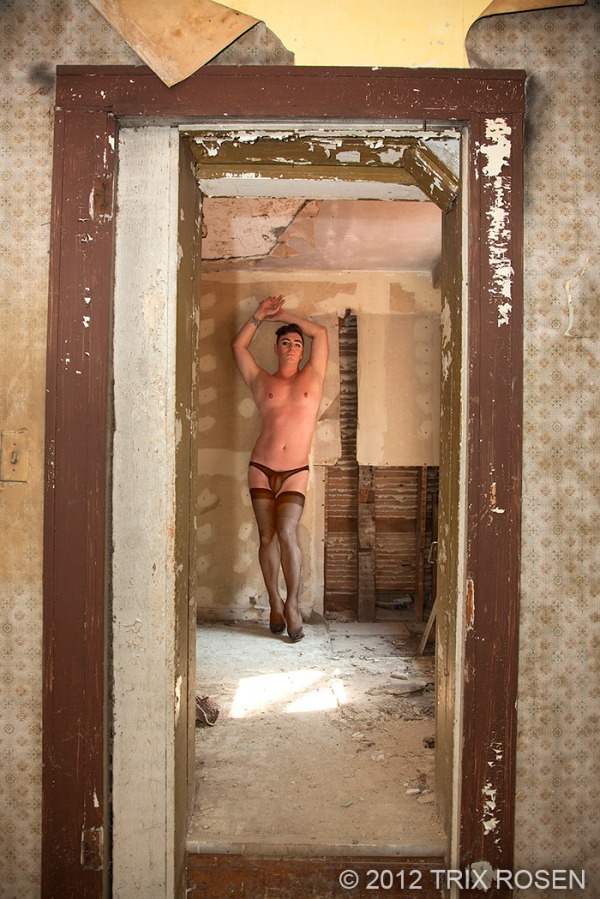
Opening Reception: Sunday, January 26, 2014, 2:00-5:00 pmMontclair State University – George Segal Gallery, Montclair NJ 07043 I can thank my parents for January being the month of my birth and Curator Marilyn Symmes for choosing two of my images, Peeling Back the Layers and Endangered Oakley Stoll House, to be in  ‘ART Connections 10’ at the George Segal Gallery, Montclair State University in NJ. This marks the first exhibition that represents my gender in fine art photography along with my architectural series of endangered houses. Both images record historical moments, measured not as isolated fragments of time, but as tangible and intangible exposures, revealing the narrative arc of my subject’s life/capturing past, recording present, and projecting into the future. Peeling Back the Layers. Montague NJ, 2012, 27H x 18W inches,Framed 31H x 23W inches,  Fine Art Digital Inkjet Paper with Archival Pigmented Inks Endangered Oakley Stoll House. Walpack Twp. NJ, 2012, 27H x 18W inches,Framed 31H x 23W inches,  Fine Art Digital Inkjet Paper with Archival Pigmented Inks For Peeling Back the Layers, gender performance artist Fred Koenig, clad only in panties, stockings, and high heels, is framed by the antique peeling wallpaper and decaying wood molding of the historic Hornbeck/Roberts House in Montague, NJ. Owned by the National Park Service, this eighteenth-century farmhouse,e along with the Endangered Oakley Stoll House, is located within the Delaware Water Gap National Recreation Area and listed on the National Register of Historic Places. These historically important houses are now sadly vandalized and trashed. Whether I shoot a portrait or an endangered architectural site, what haunts me is finding the essence of the visible and invisible timeline. I look for the quintessential moment that can be revealed in the stillness of a decaying wall or in the expression of gender duality. Perhaps both Fred’s openly exposed gesture and these two endangered houses lay bare a beautiful and similar vulnerability. ART Connections 10Montclair State University – George Segal Gallery1 Normal Avenue, Montclair, NJ 07043Gallery Hours: T, W, F, Sat 10:00 – 5:00 pm & Thurs 12:30 – 7:30 pmOpening Reception: Sunday, January 26, 2014, 2:00-500 pmExhibition Dates: January 26- February 22, 2014

Celebrating January 2014 & Art Connections 10 Exhibition! Read More »

A KALINGA JOURNEY THROUGH TIME

I am very excited to share my project A Kalinga Journey Through Time with you. In 1986 I was a freelance photojournalist living in the northern Philippines. An invitation by an indigenous Filipina from the Kalinga tribe to visit her village, nestled deep within the hand-carved rice terraces of the Cordillera Mountains, brought me into an isolated landscape that appeared to be untouched by modern times. Fascinated by the images of an ancient people beginning the process of a contemporary metamorphosis, I returned many times over 25 years to visit my friends, and to photograph their rapidly changing historic landscape. I’m sharing this project with you because I’m hoping you might be interested in supporting the completion of this historic work. I’m aiming to raise $8,900 by mid-February 2013. With support from this funding I would return to the Philippines for six weeks in March 2013. I’d bring with me earlier photographs that would be used as points of departure to trigger memories among the family members, photograph portraits and conduct video interviews and, with the guidance of the local population, would document the rapidly perishing vernacular architecture as I also record the newer buildings. After returning home, I would apply your support to cataloging the documentation, printing photographs, digitizing older film and editing my video recording. I would also be arranging for future lectures, exhibitions and a book project, A Kalinga Journey Through Time, that would aim to preserve the material I have collected. Photographing the changes that have impacted this community will also reveal much about how a tribal society evolves into the 21st century. If you can support this project with a donation, in any capacity, together we can make this idea a reality! Sharing the project with others and sending me your thoughts are also very valuable ways to show your support. Want to learn more? Click here About USA Projects: Founded by the Ford, Rockefeller, Rasmuson and Prudential Foundations, United States Artists has supported the work of individual artists since 2005. Donating through USA’s micro-philanthropy initiative, USA Projects, supports the work of accomplished artists all across America and is tax deductible.

A KALINGA JOURNEY THROUGH TIME Read More »

TREASURED: Honoring Precious and Vanishing Worlds

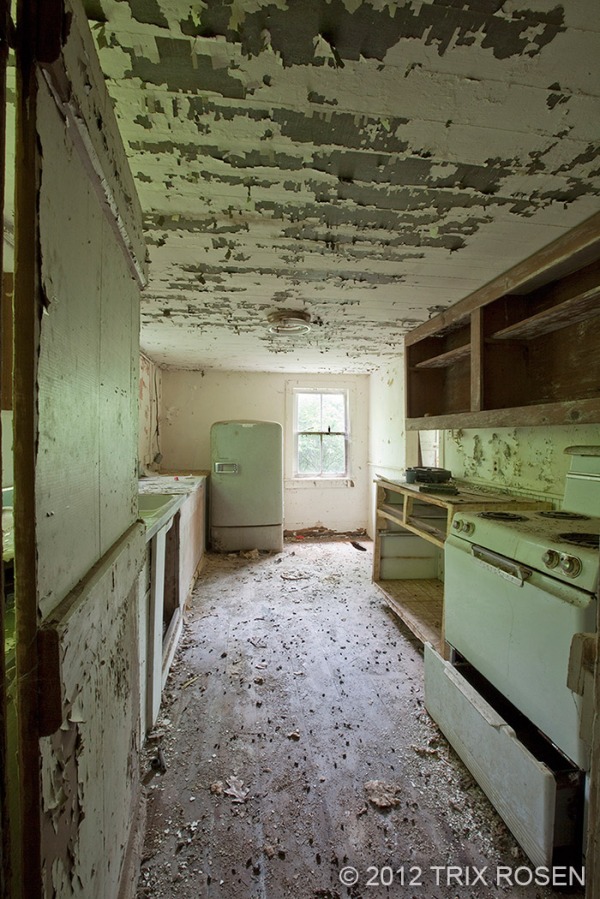
(To view in the browser, click here) TREASURED: HONORING PRECIOUS AND VANISHING WORLDS is an exhibition at the Annmarie Sculpture Garden and Arts Center in Solomons, MD, that features three prints from my fine art portfolios: Bet Hayyim (House of the Living) and Endangered Historic Houses.The art exhibit opens on June 15 and continues to August 26, 2012. Title: Hands of the Kohan.  Medzhybizh, Ukraine, 2008, Edition: 3/1012 x 18 inches, Fine Art Paper with Archival Pigmented Inks Title: Kohans, Levites and the Star of David.  Chernivtsi, Ukraine, 2008, Edition:3/1012 x 18 inches,  Fine Art Paper with Archival Pigmented Inks In 2008, I crisscrossed the heartland of the Ukraine to photograph historic Jewish cemeteries and hand-carved tombstones in cities, towns and shtetls. Every site had a story to tell and each stone was an artistic treasure filled with iconographic beauty and mystery. The headstones of the Kohanim, descendants of the Biblical priests, had hands joined in a gesture of blessing. The pitcher pouring water represented the tribe of Levites, the assistants to the priests. Some epitaphs were intricately carved, the stones decorated in an elaborate Jewish script covering the entire surface; others held only the most minimal outline of the Star of David. Other friezes depicted symbols of lineage and gender. These gravestones, some dating from the 1400s, depict a visual history of the once vast community of Eastern European Jews and serve as reminders of the people who lived in this place and died. Title: Shattered Spaces. 2012Edition: 3/1012 x 18 inches, Fine Art Paper with Archival Pigmented Inks Less than two years ago the Shoemaker-Houck Farm was in excellent condition, one of the premier structures located within the New Jersey Delaware Water Gap National Recreation Area that is owned by the National Park Service. The front portion of the house was built in 1822, while the rear portion was built in the eighteenth century. This National Register Site has no protection and has now become vandalized. The back door is wide open, and the window glass is missing, sadly revealing the ruins of neglect. These scarred elements are key to understanding the rural development of northwestern New Jersey and the significant role that area played in American history. I am drawn to the timeless nature of historic architecture because it is a repository of collective memories – a record of our heritage, the builders and the people who once inhabited these spaces. There is an urgency about what I photograph because each derelict site is a reminder of our inadequacy as cultural stewards. I look to the architectural details, to the deeply etched memories in the stones, the walls and the structures as a window to remembering our past.

TREASURED: Honoring Precious and Vanishing Worlds Read More »

Brown Memorial Baptist Church

I was invited to attend the New York Landmarks Conservancy “Lucy G. Moses Preservation Awards” on April 25th, 2012 by my colleagues at Li-Saltzman Architects, PC who were receiving a “Lucy” for their restoration work of the Gothic Revival sanctuary, the Brown Memorial Baptist Church. The Awards, nicknamed the “Preservation Oscars,” are the Conservancy’s highest honors for outstanding preservation of historic structures. I was proud to have taken the photographs that documented their project and to know that those images helped Li-Saltzman receive the recognition they deserved. It was Roz Li and Judith Saltzman who had encouraged me twenty years ago to shoot historic preservation assignments. Roz had praised my commitment to the documentary series I had produced about the Philippines and hoped I would bring a similar passion to historic work.  One of my first architectural assignments for her company was documenting the Lower East Side Tenement Museum in New York City. I photographed the “before and after” restoration, floor by floor, over several years, until the project was completed. The Lucy G. Moses Preservation Awards ceremony served as a joyful reminder of why the company of historic preservationists is such an honor, and why I view the profession as the “human rights” work of the architectural world.  “The time and care that went into completing these projects demonstrate New Yorkers’ commitment to preserving the entire range of the City’s historic architecture,” said Peg Breen, president of the Conservancy, to the audience. When John Belle, FAIA, a founding partner of Beyer Blinder Belle Architects & Planners, LLP, received the Preservation Leadership Award for his four decades of acclaimed work (including the South Street Seaport, Grand Central Terminal and the Ellis Island Immigration Museum), he humbly described how working in preservation is a “team effort.” Roz Li told me that historic preservation work is “a labor of love” because projects like the Brown Memorial Baptist Church can take a decade to complete due to the complexity of financing. When Rev. Clinton M. Miller and Mrs. Aquilla Middleton from the Church received their “Lucy” award, the Reverend spoke about the importance of the restoration of the Church to the community it served.               Indeed, while photographing this assignment, I was inspired by the work of my colleagues and by the spirit of the congregation. I sought to creatively balance the light from the sconces, chandeliers, and LED bulbs so that their combined glow could reveal the divine beauty of this historic sanctuary as well as find the perfect composition to record the architectural details.                       Congratulations to Roz Li and  Zach Rice of Li-Saltzman Architects and all the other “Lucy” Award Preservation winners, including my friend, Lew Gleason of Jan Hird Pokorny Associates, for his restoration work on the Edgar Allan Poe Cottage.

Brown Memorial Baptist Church Read More »

Endangered Historic Houses – Delaware Water Gap National Recreation Area, New Jersey

My friend, Robert Williams, the Verona, NJ town historian, took me on a tour of these National Park Service houses, located within the Delaware Water Gap National Recreation Area. Built between the 18th and 19th centuries, many of these sites are listed on the National Register of Historic Places and were in live-in condition a couple of years ago when the Park took ownership. We saw doors wide open or missing, window glass smashed, and some of these historically important houses sadly vandalized and trashed. “The Shoemaker-Houck Farm was one of the premier structures in the Park,” Bob told me. “The front portion of the house was built in 1822 while the rear portion was built in the eighteenth century. Look what has happened to this house in only one year!” We saw that the back door was wide open. “This is a National Register Building that was in excellent condition. How could this have happened?” Bob asked sadly. Bob explains the history of each house we visit and recounts how the Smith-Lennington House had been in the same family since it was built. “The Smiths built the initial house in 1820 and then remodeled and added to it in 1902. When the Park Service took title of this a few years ago, it was completely intact and in live-in condition. Shortly after their stewardship began, someone took the columns off the porch, and it was down-hill from there.”

Endangered Historic Houses – Delaware Water Gap National Recreation Area, New Jersey Read More »

Brown Memorial Baptist Church, Brooklyn New York

This post congratulates Roz Li, Zach Rice and Li/Saltzman Architects, PC for their beautiful restoration work of the Brown Memorial Baptist Church in Brooklyn NY. Li/Saltzman has been working with this church since 2001. They started with the restoration of the exterior – restoring the brick, replacing the roof, recreating the missing stone turrets and the structural stabilization of the roof trusses. Once the exterior envelope was stable and watertight, the restoration of the sanctuary interior began. “Saturday, February 4, 2012, was the Re-Dedication Ceremony of Li/Saltzman Architects’ latest project completion, the interior restoration of the Brown Memorial Baptist Church, a landmark church built in 1860,” Preservation Architect, Roz Li, proudly told me. “It was a memorable moment to witness the first religious service attended by the African-American congregation after several years of restoration work. The ceremony was enlivened by songs from the church’s great choir. The church was really vibrating! It was so joyful.” Roz explained more about the history of the project, “Before the restoration the plaster walls and ceilings were cracked, and we had to net the heavy plaster ornamental medallions for fear of them falling. There were no chandeliers, and the lighting that existed was full of glare. We did some probes and found out that beneath the paint, the original finish was tinted plaster made to look like stone with scored joints, and each simulated stone panel was a slightly different shade than the next, just as natural stone would have been.   So, with O’Donoghue Contracting Co., General Contractor, and Ernest Neuman Co., Decorative Painting Contractor, we recreated that historic finish. We designed new chandeliers, we installed new LED lights around the column capitals. We restored the walnut pews. As you will see, the results are dramatic. With the completion of the exterior and interior restoration, Brown Memorial Baptist Church celebrates its historic past as it faces the future.”

Brown Memorial Baptist Church, Brooklyn New York Read More »

The Song of the Land

Opening January 20 2012 – May 31 2012 Reception –  February 23, 2012  5-7 pm Hebrew Union College, Institute of Religion, John H. Skirball Campus 3077 University Avenue Los Angeles, Ca 90007-3796 Included in the ‘The Song of the Land’  Exhibition is a framed print from my ‘Bet Hayyim – House of Life‘ series: Title: Hands of the Kohan, Medzhybizh, Ukraine 2008 Medium: Fine Art Digital Inkjet Paper with Archival Pigmented Inks Size: 10 inches x 15 inches Framed: $700.00 – 16 inches x 20 inches Edition 4/10 I viewed the thousands of stones in the Jewish cemeteries throughout the Ukraine as artistic treasures of iconographic beauty and mystery. The headstones of the Kohanim, descendants of the Biblical priests, had hands joined in a gesture of blessing. The carved gravestones depict a visual history of the once vast community of Eastern European Jews, and serve as reminders of the people who lived in this place and died. As a historic preservation photographer, I document sites being bulldozed or restored. As a fine art photographer, I choose my destinations to record the poetics of a place. There is an urgency about what I photograph because each is a painful reminder of our inadequacy as cultural stewards. I am drawn to the timeless nature of historic architecture because it is a repository of collective memories. From its ever-evolving essence one can understand the sites’ creative and passionate link to humanity.

The Song of the Land Read More »

Go to Jail – The Essex County Penitentiary

The Main building of the Essex County Penitentiary stood alone on the hilltop, her battered facade illuminated by the setting sun. Five years earlier, I had spent more than a month systematically photographing the 32-acre jail complex as part of a required HABS (Historic American Buildings Survey) documentation before the institutional structures and outbuildings built between 1872 and 1929 could be demolished to make way for modern condominiums. It was a cold December day in 2007 when I first walked through the dank prison in North Caldwell, New Jersey. The eerily silent jail complex appeared like a forbidding rusted ruin concealing deeply etched memories of its ghostly inhabitants within the walls. My first job was to design a shot list that would become the basis for my final (107) 4” x 5” b/w film documentation. During my walk-through with architectural historian Ken Kalmis, I composed hundreds of digital images for reference. The cell blocks, corridors, commissary kitchen, dining hall, holding pens, and Power house were enormous spaces, and the light filtering through the oversized dirty and broken windows created a chiaroscuro effect on the floors and walls. To capture the details, the patterns, and textures in the highlights and shadows, and to tell the evocative story of each room was a challenge. The solutions demanded a photojournalist’s insight to stay true to the narrative, lighting skills to creatively equate ambient light and fill flash, and knowledge of the guidelines for the long-term preservation of historic documentation. On Tuesday, September 6, at 7:30 pm, I will be presenting a slide show of images from my historic documentation of the Essex County Penitentiary at the Verona Historical Society. Local historian Robert Williams will guide you through the mysteries and legends associated with the buildings and property which were recently demolished. Numerous items salvaged from the buildings will be on display and prisoners will speak once again through the tell-tale signs they left behind for us to find. The meeting is scheduled at the Verona Community Center, 880 Bloomfield Ave., at 7:30 p.m. For more information, you can email the Society at twoJVO@yahoo.com or call (973) 857-1968. You will not want to miss this event – everyone is promised to leave with something to remember this important landmark and fully understand the contribution it made to our history.

Go to Jail – The Essex County Penitentiary Read More »

Scroll to Top